
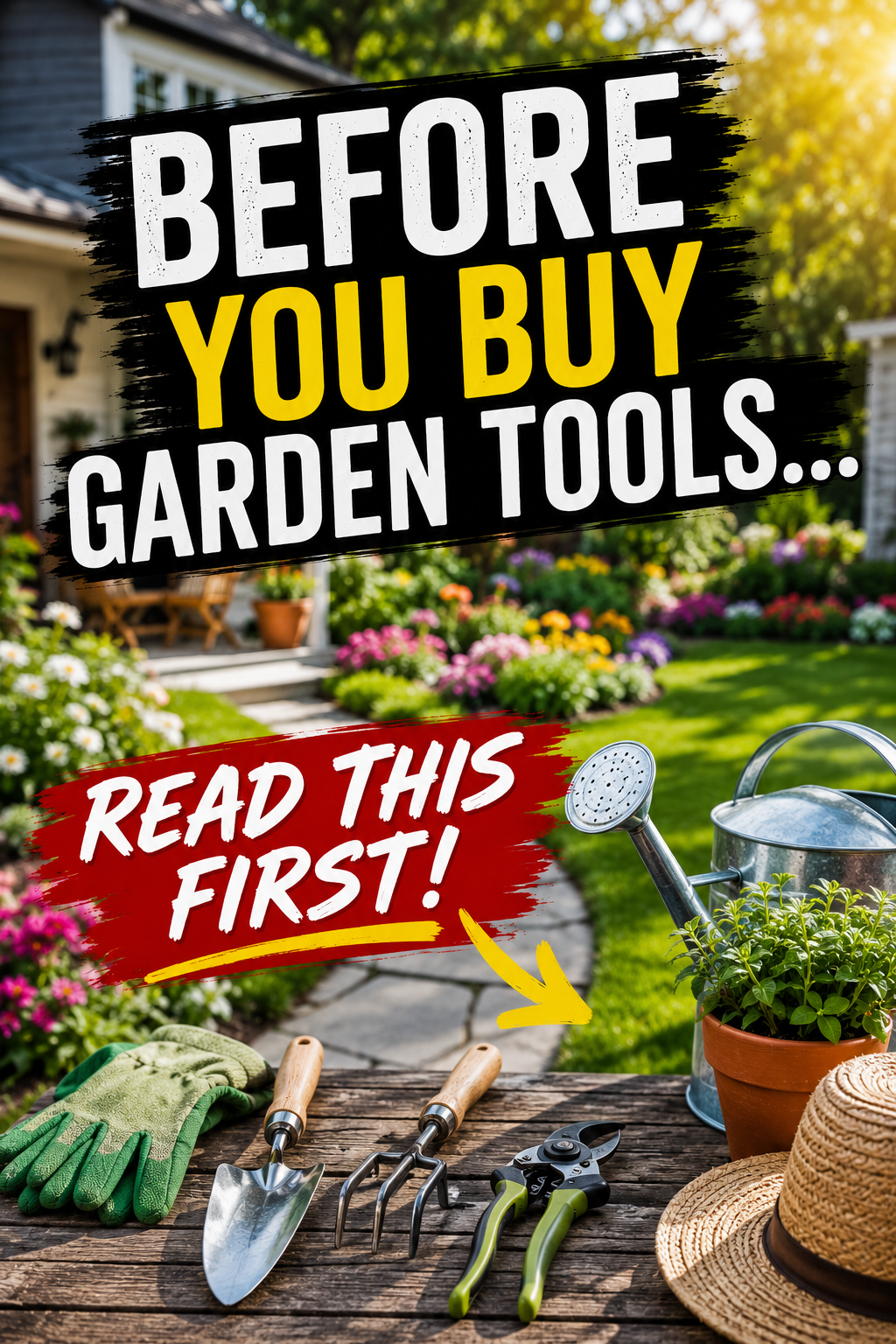
Buying your first set of gardening tools may seem simple, but choosing the wrong equipment can waste money, make gardening harder, and even damage your plants. With hundreds of options available, it’s easy to purchase tools that look good but perform poorly.
Before filling your cart, take a few minutes to learn what really matters. This guide will help you choose the best garden tools for your gardening style, budget, and long-term success.
Why Buying the Right Garden Tools Matters
Quality tools are an investment. Good equipment lasts for years, reduces physical effort, and helps you work more efficiently.
Benefits include:
- Less hand and back strain
- Faster gardening tasks
- Healthier plants
- Cleaner pruning cuts
- Better digging performance
- Lower replacement costs
- More enjoyable gardening experience
Mistake #1: Buying Cheap Tools
Low-cost tools often bend, rust, or break after only a few uses.
Instead, choose tools made from:
- Stainless steel
- Carbon steel
- Forged steel
- Hardwood or fiberglass handles
Although they cost more initially, they usually last many years.
Mistake #2: Buying Every Tool at Once
Many beginners purchase dozens of tools they rarely use.
Start with only the essentials:
- Hand trowel
- Pruning shears
- Garden gloves
- Watering can
- Garden fork
As your garden grows, you can expand your collection based on your needs.
Mistake #3: Ignoring Comfort
Gardening often involves hours of digging, planting, and pruning.
Look for tools with:
- Ergonomic handles
- Soft grips
- Lightweight construction
- Balanced weight
Comfortable tools reduce fatigue and make gardening much more enjoyable.
Mistake #4: Choosing the Wrong Size
Oversized tools can be difficult to control, while tools that are too small may not handle larger jobs effectively.
Always choose tools that match:
- Your height
- Hand size
- Garden size
- Strength
The right fit improves both comfort and efficiency.
Mistake #5: Forgetting About Maintenance
Even the best tools require basic care.
After every gardening session:
- Wash off soil.
- Dry metal parts completely.
- Sharpen cutting blades regularly.
- Oil moving joints occasionally.
- Store tools indoors in a dry location.
Proper maintenance can extend the life of your tools for many years.
Features to Look For
When shopping for the best garden tools, pay attention to these important features:
Strong Construction
High-quality steel provides better durability and resists bending.
Comfortable Grip
Rubber-coated or ergonomic handles improve control and reduce hand fatigue.
Rust Resistance
Choose stainless steel whenever possible for long-lasting performance.
Replaceable Parts
Some premium brands offer replacement handles and blades, extending the life of your tools.
Warranty
A long warranty often reflects confidence in product quality.
Which Garden Tools Do You Really Need?
For most home gardeners, these essentials are enough:
- Hand Trowel
- Pruning Shears
- Garden Fork
- Watering Can
- Garden Gloves
- Garden Hose
- Rake
- Hoe
These tools handle nearly every common gardening task.
Are Expensive Garden Tools Worth It?
In many cases, yes.
Premium tools typically:
- Last much longer
- Stay sharper
- Feel more comfortable
- Require fewer replacements
- Perform better over time
If you garden regularly, investing in quality equipment often saves money in the long run.
Frequently Asked Questions
What are the best garden tools for beginners?
A hand trowel, pruning shears, gloves, watering can, and garden fork are the best starting tools for new gardeners.
Should I buy stainless steel garden tools?
Yes. Stainless steel is durable, rust-resistant, easy to clean, and ideal for most gardening tasks.
How long should quality garden tools last?
With proper care and maintenance, high-quality garden tools can last 10 years or more.
Final Thoughts
Buying the right gardening equipment isn’t about owning the most tools—it’s about choosing the right ones. By investing in durable, comfortable, and reliable tools, you’ll spend less time struggling and more time enjoying your garden.
Before making your next purchase, compare quality, materials, comfort, and long-term value rather than focusing only on price. Your future self—and your garden—will thank you.