
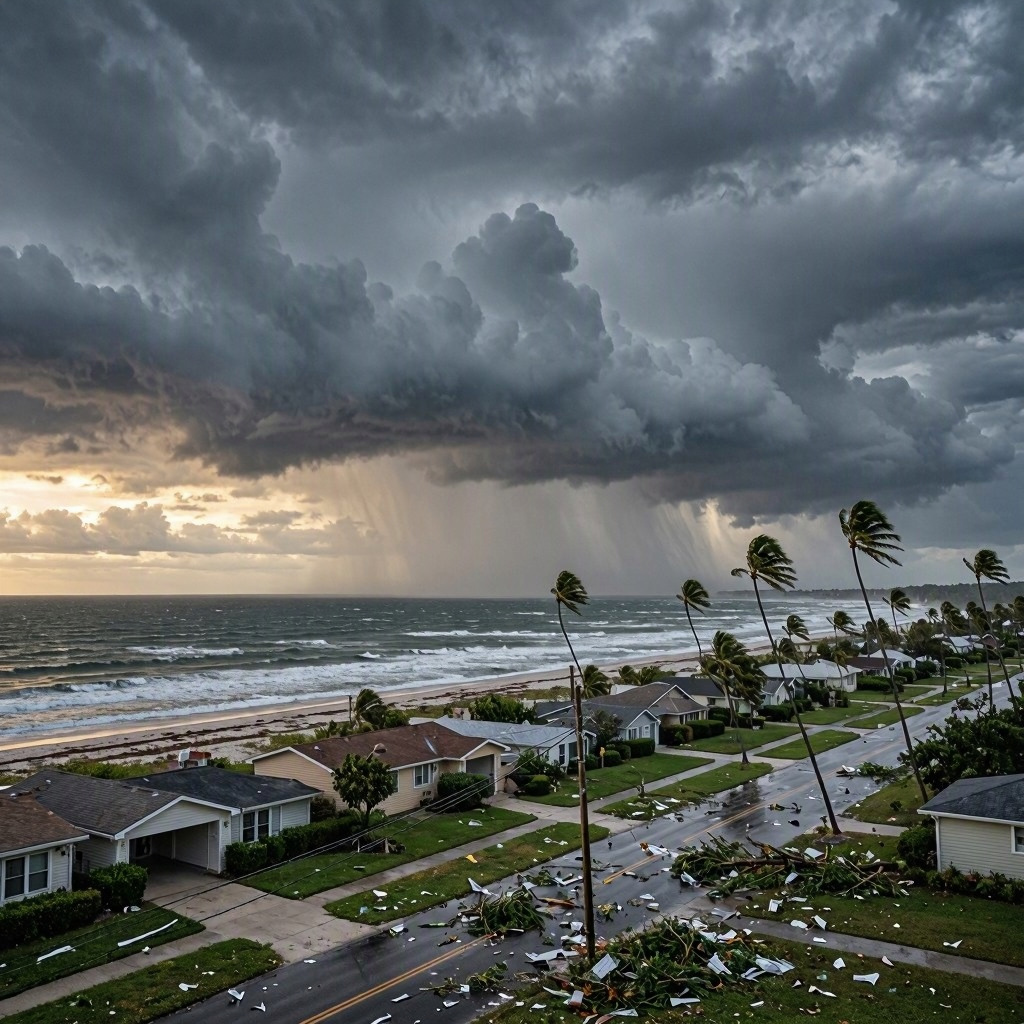
Post-tropical cyclone Isaias became a major weather concern in October 2026 after the storm struck Florida and weakened while moving inland. Although Isaias lost its hurricane status, its remaining circulation continued to bring dangerous weather conditions, including heavy rainfall, strong winds, and flash-flood risks across parts of the southeastern United States.
The storm also caused widespread power outages and damage to infrastructure, leaving communities facing a challenging recovery.
What Is Post-Tropical Cyclone Isaias?
A post-tropical cyclone is a storm that no longer has the characteristics of a tropical cyclone. However, this transition does not necessarily mean the storm has become harmless. Strong winds, heavy rain, and flooding can continue even after a system loses its tropical structure.
Isaias developed into a hurricane before making landfall near Destin, Florida, as a Category 2 storm. It subsequently weakened as it moved inland, becoming a post-tropical cyclone while hazardous conditions persisted. According to Reuters, four deaths were reported following the storm’s landfall. Source: Reuters
Where Did Isaias Make Landfall?
Hurricane Isaias made landfall near Destin, in Florida’s Panhandle, in early October 2026. The storm brought damaging winds and coastal flooding to affected areas before moving inland.
Florida experienced significant disruption, while Alabama, Georgia, and Mississippi also reported power outages and dangerous conditions. Downed trees and power lines made some roads hazardous, and emergency crews worked to assess damage and restore essential services.
Damage and Power Outages
One of the most significant consequences of Isaias was the widespread loss of electricity. Reuters reported that approximately 670,000 customers across Florida, Alabama, Georgia, and Mississippi remained without power in the aftermath of the storm.
Other reported impacts included:
- Flooding: Heavy rainfall increased the risk of flash flooding in vulnerable communities.
- Damaged infrastructure: Fallen trees, power lines, and damaged buildings disrupted daily life.
- Transportation problems: Some roads and transport facilities were affected by storm damage.
- Utility disruptions: Crews prioritized electricity restoration and repairs to essential services.
- Coastal impacts: Storm surge and strong winds created dangerous conditions near the coast.
Recovery efforts included clearing debris, inspecting damaged infrastructure, and restoring power to affected residents. Source: Reuters, October 13, 2026
Why Can a Post-Tropical Cyclone Still Be Dangerous?
The term post-tropical cyclone describes a storm’s structure, not a guarantee that its hazards have ended. A system can continue producing powerful wind gusts and substantial rainfall after it transitions away from a tropical cyclone.
Flooding can be particularly dangerous because water may rise quickly on roads, near rivers, and in low-lying neighborhoods. Fallen electrical wires and unstable trees can also pose risks long after the strongest winds have passed.
Residents should continue following official weather alerts and local emergency instructions, even when a storm is no longer classified as a hurricane.
Safety Tips After Isaias
People in affected areas should take precautions while recovery operations continue:
- Avoid driving through flooded roads or standing water.
- Stay away from fallen power lines and report them to the appropriate utility provider.
- Use generators outdoors and far from doors, windows, and garages to prevent carbon monoxide poisoning.
- Keep phones charged and monitor local emergency announcements.
- Check on vulnerable neighbors and follow instructions from emergency officials.
These precautions remain important because secondary hazards can continue after the storm’s main circulation weakens.
What Happens Next?
The recovery process depends on the extent of infrastructure damage, the speed of utility repairs, and whether additional rainfall causes flooding. Local authorities and emergency crews must assess affected areas before damaged roads and facilities can safely return to normal operations.
Residents should rely on the National Hurricane Center, the National Weather Service, and local emergency management agencies for verified updates rather than assuming that conditions are safe simply because Isaias has become post-tropical.
Conclusion
Post-tropical cyclone Isaias demonstrates that a storm can remain dangerous even after losing hurricane status. Its October 2026 landfall in Florida caused fatalities, widespread power outages, and infrastructure disruption across several southeastern states.
As communities recover, monitoring official warnings, avoiding floodwater, and staying clear of damaged electrical infrastructure remain essential steps for protecting lives.
For the latest verified information, consult the National Hurricane Center and Reuters.