
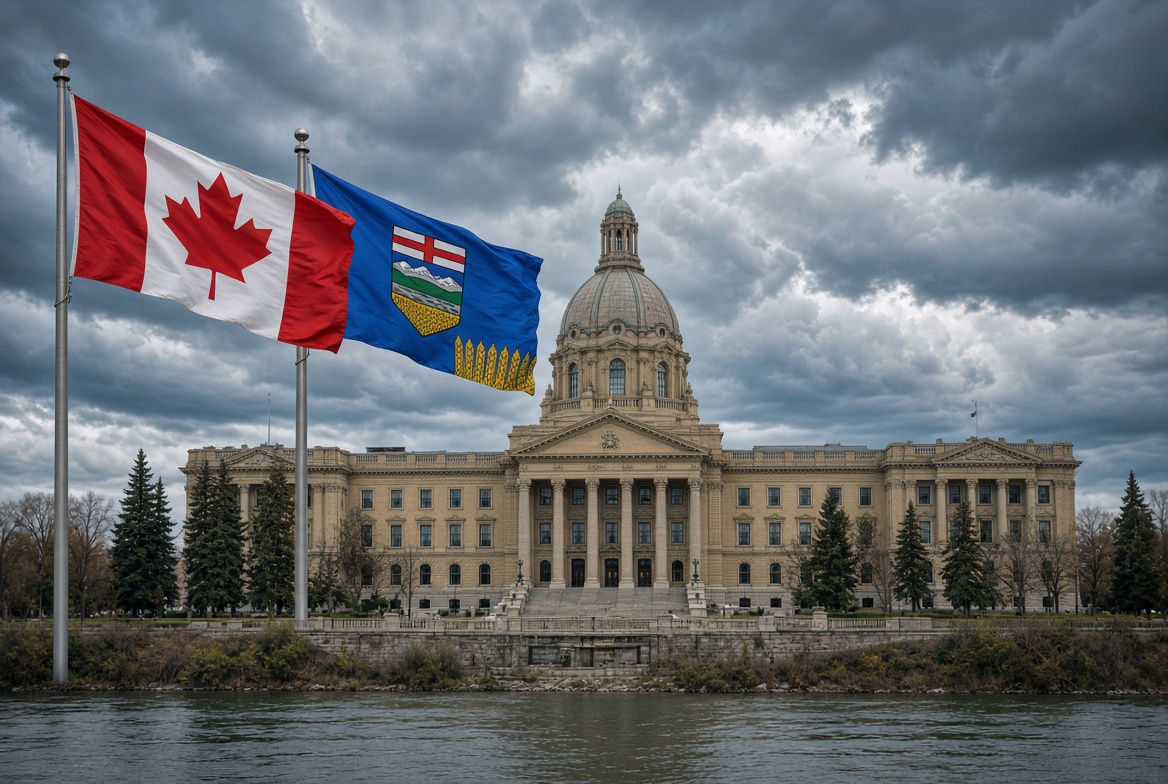
The Alberta referendum has become a major topic in Canadian politics, drawing attention to the province’s relationship with the federal government, immigration policies, and growing discussions about provincial autonomy. As political debate continues, many Canadians are asking what the referendum involves, why it matters, and how its outcome could affect Alberta’s future.
Alberta is one of Canada’s most economically significant provinces, particularly because of its oil and natural gas industries. Any major political decision affecting its relationship with Ottawa could have implications for the province, the Canadian economy, and the country’s constitutional framework.
What Is the Alberta Referendum?
An Alberta referendum is a province-wide vote that allows eligible voters to express their views on specific political or policy questions. The current debate includes proposals concerning provincial powers, immigration, access to public services, and Alberta’s constitutional relationship with Canada.
One of the most controversial issues is the possibility of Alberta pursuing independence. Supporters of separation argue that the province should have greater control over its economic resources and political decisions. Others believe Alberta’s interests are best protected by remaining part of Canada while seeking changes through the existing political system.
The precise wording of each referendum question and the applicable voting procedures are important because different questions can have different legal consequences.
Why Is Alberta Considering Independence?
The independence debate has developed amid long-standing disagreements between Alberta and the federal government. These disputes frequently involve energy policy, environmental regulations, taxation, federal spending, and the distribution of political authority.
Alberta produces significant quantities of oil and natural gas, making the energy industry central to its economy. Some supporters of independence believe federal policies restrict the province’s ability to develop its natural resources and determine its economic priorities.
They also argue that Alberta should have more influence over decisions affecting its industries, infrastructure, and revenues.
However, opposition to independence remains an important part of the debate. Critics warn that separation could create substantial economic and legal uncertainty, affecting trade, public finances, investment, and Alberta’s relationship with the rest of Canada.
What Issues Could Appear on the Referendum Ballot?
Beyond independence, Alberta’s political debate includes several issues that could shape the province’s future.
Immigration and Provincial Control
Immigration has become a significant subject of discussion as Alberta considers how population growth affects housing, employment, healthcare, and public services. Some provincial politicians support greater authority over immigration levels and the selection of newcomers.
Changes in this area would depend on the specific proposal and the division of powers between provincial and federal governments.
Access to Public Services
Another issue concerns eligibility requirements for publicly funded services. Supporters of stricter rules argue that governments should ensure public resources remain sustainable as demand increases.
Opponents may raise concerns about fairness, access to essential services, and the economic contributions of temporary residents.
Provincial Autonomy
Many Albertans who do not support independence nevertheless favor greater provincial authority. They argue that Alberta should have more control over policies affecting its economy, natural resources, and public institutions.
This position offers an alternative to separation by seeking constitutional or legislative changes while maintaining Canadian citizenship and the existing national framework.
Important: The final wording, official status, and legal effect of referendum questions should be verified through Alberta’s official government and elections websites before publication. Proposed questions, political promises, and confirmed ballot measures are not necessarily the same thing.
What Happens If Alberta Votes for Independence?
A vote supporting independence would not automatically make Alberta a separate country.
Under Canada’s constitutional framework, a province cannot simply declare itself independent and immediately leave the federation. A clear majority supporting a clear question on separation could trigger negotiations and further constitutional processes.
Those negotiations could involve the federal government, other provinces, Indigenous peoples, and affected communities. They could also address citizenship, borders, public debt, government assets, trade, natural resources, and the legal status of existing agreements.
The outcome would therefore depend on more than the referendum result itself. Political negotiations and constitutional requirements would play a central role in determining what happens next.
How Could the Alberta Referendum Affect the Economy?
Alberta’s economic importance means that uncertainty surrounding its political future could attract attention from businesses, investors, and financial markets.
The energy sector is particularly significant because Alberta is a major producer of Canadian oil and natural gas. Changes in the province’s constitutional status or its relationship with the federal government could affect discussions about pipelines, energy regulation, infrastructure, and investment.
Trade would also be an important consideration. Alberta’s businesses depend on access to markets within Canada and internationally. Any major constitutional change would raise questions about how goods, services, workers, and capital would move across provincial and national borders.
Supporters of greater autonomy argue that Alberta could benefit from increased control over its resources and economic policies. Critics counter that the transition could introduce substantial uncertainty and costs.
At this stage, the economic consequences of any future separation process would depend on its terms and cannot be predicted with certainty.
Why the Referendum Matters to the Rest of Canada
The Alberta referendum debate extends beyond provincial politics. It raises broader questions about federalism, regional representation, natural-resource management, and the balance of power between provincial and federal governments.
Other provinces could follow developments in Alberta when considering their own demands for greater autonomy or changes to federal policies.
The debate also highlights the challenge of balancing regional economic interests with national priorities. While Alberta has specific concerns about energy development and federal regulation, decisions involving constitutional change could affect the entire country.
For that reason, the referendum debate is relevant not only to Alberta residents but also to Canadians following the future of the federation.
Frequently Asked Questions
Is Alberta leaving Canada?
No. A referendum supporting the pursuit of independence would not, by itself, make Alberta an independent country. Any separation process would involve further legal and constitutional steps.
Why do some Albertans want independence?
Supporters commonly cite disagreements over federal energy policies, taxation, resource development, and the province’s level of control over its own affairs.
Can Alberta legally separate from Canada?
Separation would involve a complex constitutional process. Alberta could not unilaterally become independent simply by declaring that it was leaving Canada.
Who can vote in an Alberta referendum?
Eligibility depends on the applicable provincial election laws and the specific voting rules established for the referendum. Voters should consult official provincial election information to confirm the requirements.
Where can readers find official referendum information?
Readers can consult the Government of Alberta at alberta.ca and Elections Alberta at elections.ab.ca for official announcements, ballot information, voting requirements, and relevant dates.
Conclusion
The Alberta referendum debate reflects growing disagreements over provincial autonomy, immigration, economic policy, and the future of Canadian federalism. Independence remains one of its most consequential possibilities, but a vote supporting separation would be only one stage in a much longer legal and political process.
For Alberta, the central challenge is determining how best to protect its economic interests and political priorities while considering the consequences of constitutional change. For Canada, the debate raises fundamental questions about how the federation can accommodate regional concerns while maintaining national stability.
As developments continue, readers should follow official announcements and distinguish confirmed referendum details from proposals and political statements.