
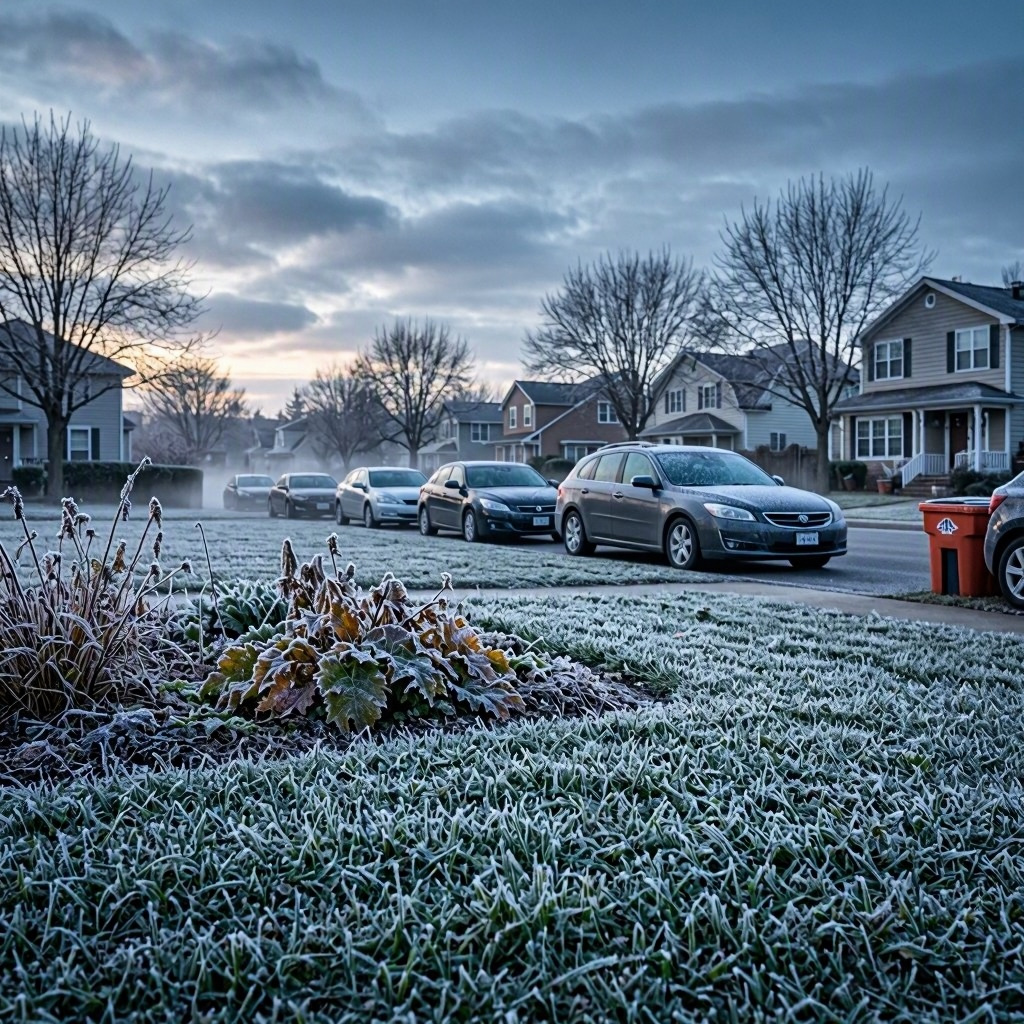
A freeze watch is an important weather alert that signals the possibility of significant, widespread freezing temperatures. It gives residents, gardeners, farmers, and property owners time to prepare for potentially damaging cold weather.
When a freeze watch is issued, freezing conditions are possible, but the exact timing, location, or likelihood may still be uncertain. In the United States, the National Weather Service generally issues a freeze watch when freezing conditions could develop within the next 24 to 36 hours. However, criteria may vary by location. Source: National Weather Service.
Understanding what a freeze watch means, how it differs from other weather alerts, and what precautions to take can help you protect your property and outdoor plants.
What Is a Freeze Watch?
A freeze watch is a weather alert issued when conditions may lead to significant freezing temperatures across a widespread area.
Freezing temperatures generally refer to temperatures at or below 32°F (0°C). Depending on the duration of the cold and the type of vegetation involved, these temperatures can damage gardens, affect agricultural crops, and freeze exposed water pipes.
A freeze watch does not mean that a freeze is guaranteed. Instead, it signals that the forecast conditions are favorable for a potentially damaging freeze and that people should prepare for the possibility.
Freeze watches are particularly important during spring and autumn, when sudden temperature drops can threaten plants that are beginning to grow or are still producing crops.
Freeze Watch vs. Freeze Warning: What Is the Difference?
Although these weather alerts are closely related, they communicate different levels of certainty.
Freeze Watch
A freeze watch means significant freezing temperatures are possible, but uncertainty remains about whether, when, or where they will occur. People should monitor weather updates and begin preparing.
Freeze Warning
A freeze warning means significant, widespread freezing temperatures are expected. This alert calls for more immediate action to protect vulnerable plants, outdoor plumbing, and other property.
Frost Advisory
A frost advisory is issued when conditions are favorable for frost to form, potentially damaging sensitive vegetation. Air temperatures may remain slightly above freezing while frost develops on exposed surfaces.
The exact criteria for these alerts vary among local National Weather Service offices.
What Causes a Freeze Watch to Be Issued?
Weather forecasters consider several factors when determining whether a freeze watch is necessary.
An approaching cold air mass: Cold air moving into an area can cause temperatures to fall rapidly, particularly after a weather front passes.
Clear skies: Clear nighttime skies can allow heat to escape from the ground, contributing to lower surface temperatures.
Light winds: Calm or light winds can encourage localized cooling near the ground, increasing the risk of frost and freezing conditions.
Seasonal vulnerability: Freezing temperatures are especially concerning during the growing season, when plants and crops may be vulnerable to cold damage.
When forecast conditions indicate a potential for a widespread freeze, meteorologists may issue a watch to give people time to prepare.
How to Protect Plants During a Freeze Watch
One of the most important reasons to pay attention to a freeze watch is the risk of damage to gardens, landscaping, and agricultural crops.
Here are practical steps to take before temperatures fall.
1. Cover Sensitive Plants
Use frost cloths, plant covers, or breathable fabric to help protect vulnerable plants from cold conditions. Secure the covers so they remain in place overnight, and avoid placing plastic directly against foliage.
2. Bring Potted Plants Indoors
Move container plants into a garage, greenhouse, or other sheltered location when possible. Tropical plants and other cold-sensitive varieties may require additional protection.
3. Water the Soil When Appropriate
Moist soil can retain heat differently from dry soil and may help moderate temperature changes around plant roots. If watering is appropriate for the plant and soil conditions, do it earlier in the day rather than leaving foliage wet overnight.
4. Protect Young Seedlings
Newly planted vegetables, flowers, and seedlings are often more vulnerable to sudden temperature changes. Consider delaying new planting until the immediate risk of freezing has passed.
5. Check the Forecast Before Uncovering Plants
Do not remove protective covers simply because temperatures rise during the day. Check the overnight forecast and wait until freezing conditions are no longer expected.
How to Protect Pipes and Your Home From Freezing Temperatures
A freeze watch is also a useful reminder to prepare your home for cold weather.
- Insulate exposed pipes: Pay particular attention to pipes in unheated garages, crawl spaces, and exterior walls.
- Disconnect outdoor hoses: Drain garden hoses and follow local guidance for protecting outdoor faucets.
- Seal cold air leaks: Check openings around windows, doors, and other areas where cold air can enter.
- Protect vulnerable plumbing: Follow your local water utility’s recommendations for preventing frozen pipes.
- Bring pets indoors: Ensure pets have access to a warm, protected environment.
These precautions are especially important when temperatures are expected to remain below freezing for an extended period.
How Cold Does It Have to Be for a Freeze Watch?
The freezing point of water is 32°F (0°C), but the precise conditions required for a freeze watch depend on local forecasting criteria.
A forecast temperature of 32°F does not necessarily mean that every plant or exposed surface will experience the same conditions. Temperature, wind, cloud cover, terrain, and the duration of the cold all influence the effects of a freeze.
Some plants can tolerate brief exposure to temperatures near freezing, while tropical plants and sensitive crops may suffer damage at higher temperatures.
A hard freeze is more severe. It generally involves temperatures around 28°F (-2°C) or lower for a sufficient period, although definitions and warning criteria vary by region.
For this reason, it is important to check the specific forecast for your area instead of relying on a single temperature threshold.
How to Check Whether a Freeze Watch Is in Effect
The best way to determine whether a freeze watch has been issued for your location is to consult an official weather source.
In the United States, the National Weather Service provides local forecasts, active weather alerts, and information about freezing conditions.
You can visit the official website at https://www.weather.gov/ and enter your location to review current alerts and upcoming temperatures.
Pay attention to the expected overnight low, the duration of freezing conditions, and whether the alert has been upgraded to a freeze warning.
Weather alerts can change as new forecast information becomes available, so checking for updates is important.
Frequently Asked Questions About Freeze Watches
Does a freeze watch mean it will freeze tonight?
Not necessarily. A freeze watch indicates that significant freezing temperatures are possible. Check the local forecast for the expected timing and likelihood of a freeze.
Is a freeze watch more serious than a frost advisory?
They describe different weather risks. A freeze watch signals the possibility of widespread freezing temperatures, while a frost advisory warns that frost may form and threaten sensitive vegetation.
What should I do when a freeze watch is issued?
Monitor official weather updates, protect sensitive plants, insulate exposed pipes, and prepare outdoor equipment and pets for colder conditions.
Can a freeze watch damage a garden?
Yes. If freezing temperatures occur, sensitive plants, flowers, seedlings, and crops may be damaged. The severity depends on the plant species, temperature, and duration of exposure.
How long does a freeze watch last?
Its duration depends on the forecast and local weather service procedures. Check the alert’s expiration time and monitor updates for changes or cancellations.
Final Thoughts
A freeze watch is an early warning that potentially damaging freezing temperatures may develop. Although it does not guarantee that a freeze will occur, it provides valuable time to protect plants, prepare your home, and monitor changing weather conditions.
The most effective response is to stay informed, follow official local forecasts, and take reasonable precautions before temperatures fall. Early preparation can reduce the risk of cold-weather damage and help you respond more confidently if a freeze warning is issued.